.webp) h5gamestage.com
h5gamestage.comHow to Play Shieldwall – Complete Roman Strategy Battle Guide
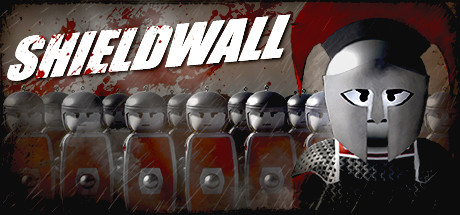
Shieldwall is a tactical action-strategy game that puts players directly into the middle of large-scale Roman battles. Instead of controlling an entire army from a distant viewpoint, you lead your legion on the battlefield, fight alongside your soldiers, capture strategic positions, and make tactical decisions that can change the outcome of each battle.
This guide explains how to play Shieldwall effectively, from understanding formation mechanics and commanding your legion to capturing objectives, managing troops, and winning large-scale battles. Whether you're new to the Roman battlefield or looking to improve your tactical skills, these strategies will help you lead your army more effectively.
SECTION 1: How to Understand the Core Gameplay
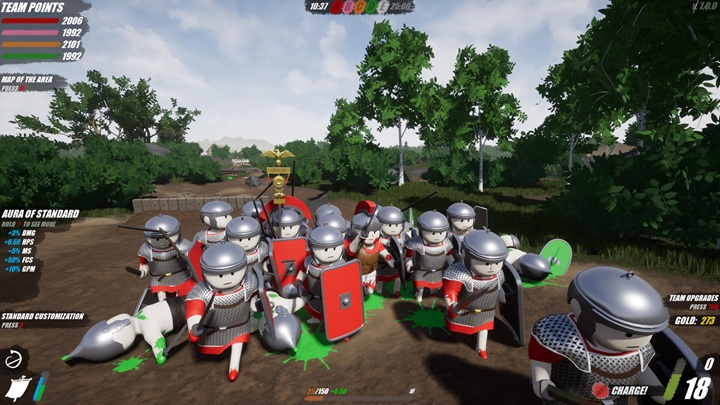
Shieldwall combines third-person combat with real-time tactical command. You personally participate in battles while also controlling the movement and formation of your soldiers.
Success requires balancing personal combat with army management. Defeating enemies yourself is useful, but maintaining a strong formation and controlling objectives is often more important.
SECTION 2: How to Build and Maintain Your Formation
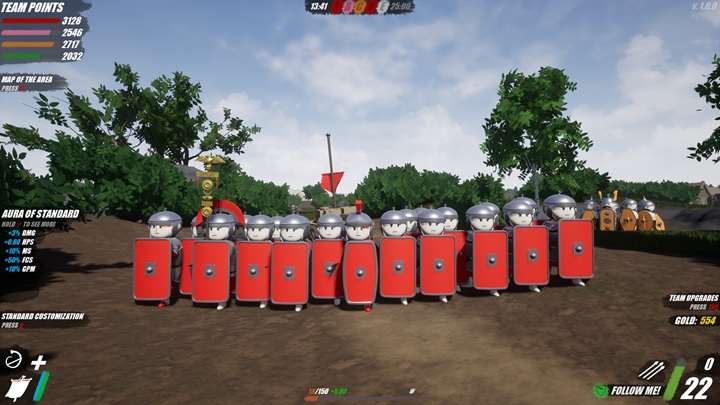
Your soldiers are strongest when they remain organized. Keeping your legion together allows units to protect each other and maintain pressure against enemy formations.
Avoid sending individual soldiers too far ahead. Move as a group and adjust your formation according to the battlefield situation.
SECTION 3: How to Capture Strategic Objectives
Capturing objectives is one of the most important ways to gain control of the battlefield. Strategic locations can provide valuable advantages and help your army push toward victory.
Do not focus exclusively on enemy kills. Secure important positions first and use your army's numerical advantage to maintain control.
SECTION 4: How to Master Shieldwall Combat
Close-quarters combat is at the heart of the game. Your shield, weapon, positioning, and timing all affect your effectiveness during battles.
Stay close to your soldiers when engaging large groups of enemies. Fighting alongside your formation provides both protection and additional offensive pressure.
SECTION 5: How to Command Your Soldiers Effectively
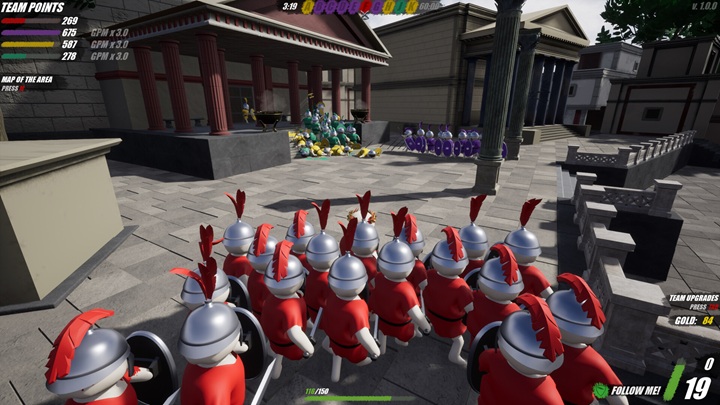
Good commanders know when to attack, defend, retreat, and reposition. Giving orders at the right moment can completely change the outcome of an engagement.
Watch the battlefield instead of focusing only on your own character. If an enemy flank becomes exposed, redirect your soldiers to exploit it.
SECTION 6: How to Manage Troops and Upgrades
As you progress, improving your army becomes increasingly important. Stronger soldiers can survive longer engagements and help you capture difficult objectives.
Prioritize upgrades that improve the overall effectiveness of your core formation. A balanced army is generally more reliable than investing everything into a single type of unit.
SECTION 7: How to Use Terrain to Your Advantage
Battlefield positioning can determine whether an engagement succeeds or fails. Narrow passages, elevated positions, and defensive locations can provide significant tactical advantages.
Avoid fighting unnecessarily in open areas when the enemy has superior numbers. Use terrain to reduce the opponent's ability to surround your formation.
SECTION 8: How to Handle Large Enemy Formations
Large enemy groups can overwhelm poorly organized armies. Directly charging into a stronger formation without preparation often results in unnecessary losses.
Look for weak points, attack exposed sides, and use your soldiers to maintain pressure from multiple directions when possible.
SECTION 9: How to Win Difficult Battles
Harder battles require a combination of combat skill and tactical awareness. Rushing toward the strongest enemy formation is rarely the best approach.
Secure objectives, reinforce vulnerable positions, and wait for opportunities to counterattack. Patience allows you to gradually weaken the opposing army.
SECTION 10: How to Become a Better Shieldwall Commander
Mastering Shieldwall takes practice because you must simultaneously manage personal combat and battlefield strategy. Learning when to fight personally and when to command from a safer position is essential.
Study enemy formations, experiment with different tactical approaches, and learn from every defeat. With better positioning, troop management, and battlefield awareness, you can lead your legion to victory against increasingly difficult opponents.
CONCLUSION
Shieldwall delivers a unique combination of third-person action and real-time Roman warfare strategy. By maintaining strong formations, capturing strategic objectives, commanding troops effectively, and using the battlefield to your advantage, you can become a more capable commander and lead your legion through even the most demanding battles.